Integration of Ayurveda and Yoga
Ayurveda and Yoga: Two Sister Sciences for Holistic Health and Wellness
When most people hear the word yoga, they often think of physical postures practiced on a mat. Likewise, Ayurveda is frequently associated with herbs, diet, and natural healing. While each system offers profound benefits on its own, Ayurveda and Yoga are traditionally viewed as inseparable sister sciences that work together to create true health and balance.
Originating in ancient India over 5,000 years ago, both Ayurveda and Yoga share the common goal of helping individuals achieve optimal physical health, mental clarity, emotional balance, and spiritual well-being. In classical texts, Ayurveda provides the science of healthy living, while Yoga offers the practical tools to cultivate harmony between body, mind, and consciousness.
This is why a comprehensive Ayurvedic consultation often includes recommendations for yoga postures (asanas), breathing practices (pranayama), and meditation techniques in addition to dietary and lifestyle guidance.
Understanding the Relationship Between Ayurveda and Yoga
Ayurveda and Yoga are rooted in the same philosophical foundation, including the concepts of the five great elements (Panchamahabhutas), the three doshas (Vata, Pitta, and Kapha), and the interconnected nature of body, mind, and spirit.
Ayurveda primarily focuses on:
Prevention of disease
Maintaining health and vitality
Restoring balance when imbalances arise
Individualized diet and lifestyle recommendations
Yoga focuses on:
Calming and strengthening the mind
Improving physical flexibility and stability
Enhancing energy flow throughout the body
Cultivating self-awareness and spiritual growth
Together, these systems provide a complete roadmap for holistic wellness.
Ayurveda identifies the root causes of imbalance, while Yoga provides practical tools to help restore equilibrium. For example, an individual with excess Vata may experience anxiety, insomnia, digestive irregularities, and scattered thinking. Along with dietary recommendations and herbal support, an Ayurvedic practitioner may recommend grounding yoga poses, calming breathing exercises, and meditation practices to help stabilize the nervous system.
Why Yoga is Included in Ayurvedic Consultations
A personalized Ayurvedic consultation goes far beyond discussing food choices or herbal supplements. Every recommendation is tailored to an individual's unique constitution (Prakriti) and current state of imbalance (Vikriti).
Since physical, mental, and emotional health are interconnected, addressing only one aspect often leads to incomplete results. Yoga serves as a powerful therapeutic tool that complements Ayurvedic treatment plans.
During an Ayurvedic consultation, recommendations may include:
Specific yoga poses for dosha balance
Breathing techniques to regulate the nervous system
Meditation practices to improve mental clarity
Daily routines that support circadian rhythms
Mindfulness and stress management practices
These recommendations help individuals actively participate in their healing process while creating sustainable habits that support long-term wellness.

Ayurvedic Yoga Recommendations Based on Dosha
Yoga for Vata Balance
Beneficial yoga practices for Vata include:
Mountain Pose (Tadasana)
Tree Pose (Vrikshasana)
Child's Pose (Balasana)
Forward Bends
Gentle Hip Openers
Restorative Yoga
These postures promote grounding, stability, and relaxation.
Yoga for Pitta Balance
Beneficial yoga practices for Pitta include:
Moon Salutations
Seated Forward Bends
Gentle Twists
Supported Backbends
Cooling Restorative Postures
Yoga for Kapha Balance
Beneficial yoga practices for Kapha include:
Sun Salutations
Chair Pose (Utkatasana)
Warrior Series
Dynamic Standing Sequences
Backbends
Energizing Flow Practices
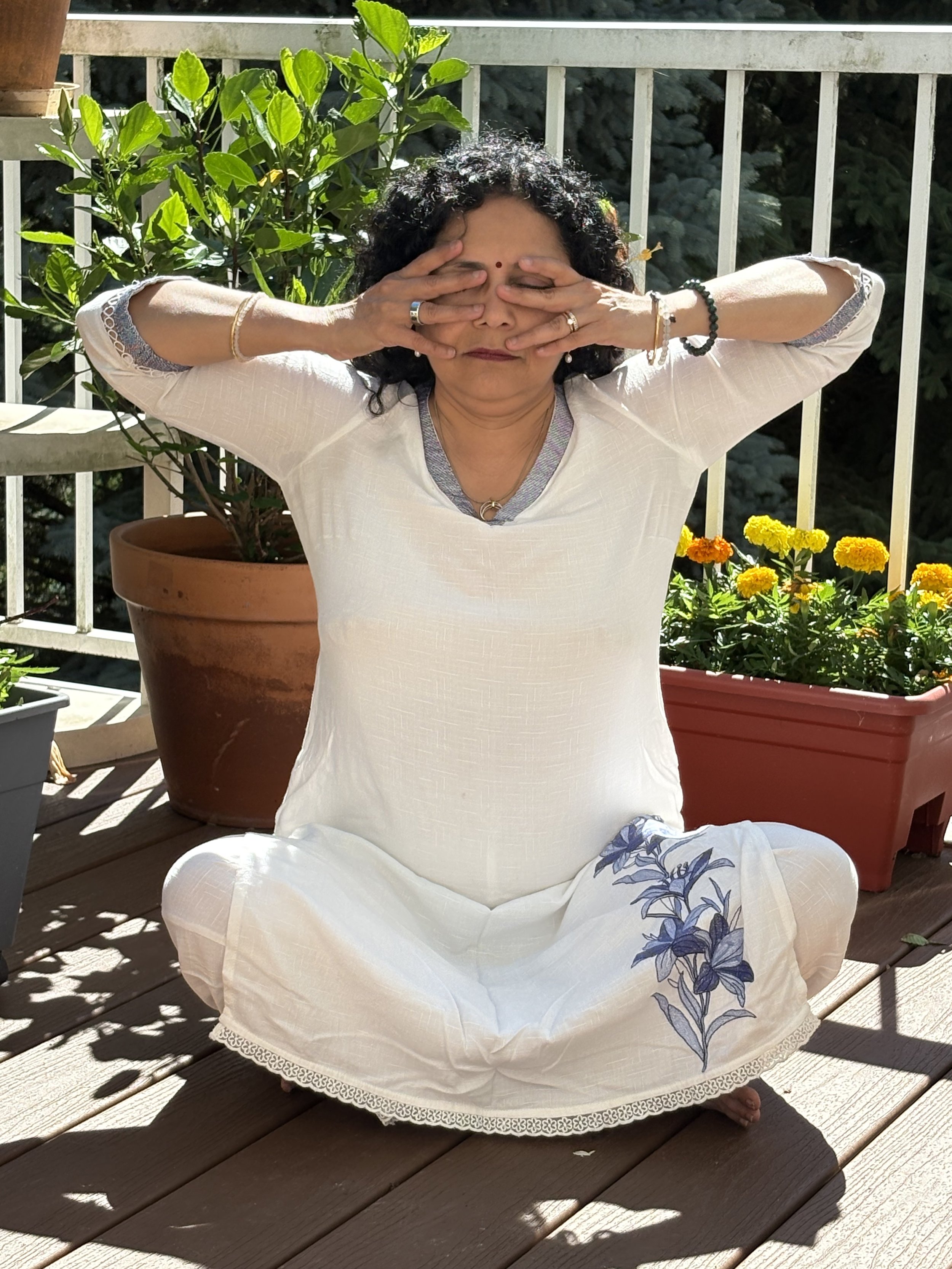
The Importance of Pranayama in Ayurvedic Healing
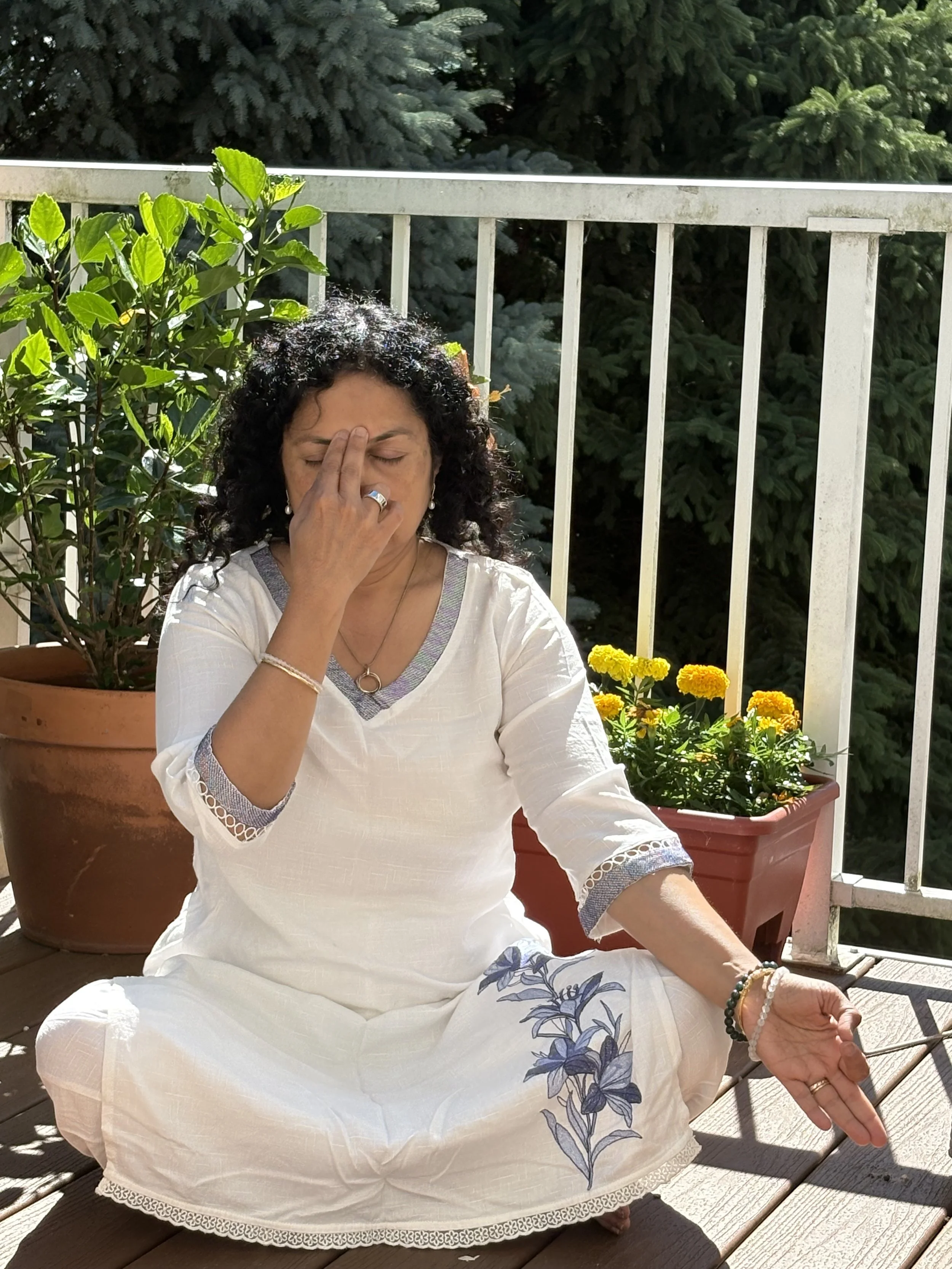
Pranayama, the yogic science of breath regulation, plays a crucial role in Ayurvedic wellness. According to Ayurveda, Prana is the vital life force that animates every physiological and psychological process.
Stress, poor lifestyle habits, emotional trauma, and environmental toxins can disrupt the flow of Prana and contribute to disease.
Regular pranayama practice may help:
Reduce stress and anxiety
Improve focus and concentration
Enhance respiratory health
Support digestion and metabolism
Balance the autonomic nervous system
Improve sleep quality
Because different breathing techniques influence the doshas in different ways, Ayurvedic practitioners select pranayama practices according to each person's constitution and health goals.
Meditation: The Missing Piece of Wellness
Modern lifestyles often create constant mental stimulation, leaving many people feeling overwhelmed, distracted, and disconnected. Ayurveda recognizes that mental and emotional disturbances can contribute significantly to physical disease.
Meditation is therefore considered an essential component of holistic health.
Research has shown that meditation may support:
Reduced stress hormones
Improved emotional resilience
Better sleep
Enhanced immune function
Greater mental clarity
Improved cardiovascular health
From an Ayurvedic perspective, meditation helps cultivate Sattva—the quality of balance, harmony, wisdom, and inner peace.
Even a simple daily meditation practice of 10 to 20 minutes can profoundly influence overall well-being.
A Holistic Approach to Health
One of the greatest strengths of Ayurveda is its individualized approach. Two people with the same diagnosis may receive completely different recommendations based on their constitution, lifestyle, age, digestion, stress levels, and unique health history.
For this reason, Ayurvedic consultations often integrate:
Personalized nutrition
Lifestyle modifications
Herbal support
Yoga postures
Pranayama practices
Meditation techniques
Daily and seasonal routines
This comprehensive approach addresses not only symptoms but also the underlying causes of imbalance.
The Path to Sustainable Wellness
True health is much more than the absence of disease. Ayurveda teaches that wellness arises when the body, mind, senses, and spirit function in harmony. Yoga provides the practical tools to cultivate that harmony every day.
Together, Ayurveda and Yoga offer a time-tested framework for achieving vibrant health, resilience, and inner balance. By combining personalized Ayurvedic guidance with appropriate yoga practices, breathing exercises, and meditation, individuals can create lasting changes that support wellness at every stage of life.
Whether your goal is stress reduction, improved digestion, better sleep, enhanced energy, emotional balance, or disease prevention, integrating Ayurveda and Yoga provides a powerful pathway toward holistic health and well-being.
