Ayurveda Therapies for Joint Health: A Holistic Path to Stronger, More Mobile Living
Introduction
Joint pain is one of the most common health concerns affecting people of all ages. Whether it develops from aging, repetitive strain, injury, autoimmune conditions, obesity, or chronic inflammation, joint discomfort can significantly impact mobility, independence, and overall quality of life. While conventional medicine often focuses on symptom management through pain medications, injections, or surgery, Ayurveda offers a comprehensive approach that addresses the root causes of joint imbalance.
Ayurveda, the ancient system of natural medicine from India, views healthy joints as the result of balanced digestion, proper tissue nourishment, efficient circulation, and balanced doshas. Rather than treating joints in isolation, Ayurvedic therapies restore harmony throughout the entire body.
Specialized Ayurvedic therapies combine medicated oils, herbal preparations, detoxification procedures, dietary guidance, and lifestyle modifications to reduce pain, improve flexibility, nourish connective tissues, and support long-term joint health.
In this article, we'll explore how Ayurveda understands joint disorders and the specialized therapies practiced for thousands of years to promote healthy movement.
Understanding Joint Health Through Ayurveda
Healthy joints require balanced doshas and proper nourishment from all seven body tissues (Dhatus). When digestion (Agni) becomes weak, incompletely digested metabolic waste called Ama forms and circulates through the body. Ama often settles in vulnerable joints, creating stiffness, swelling, inflammation, and pain.
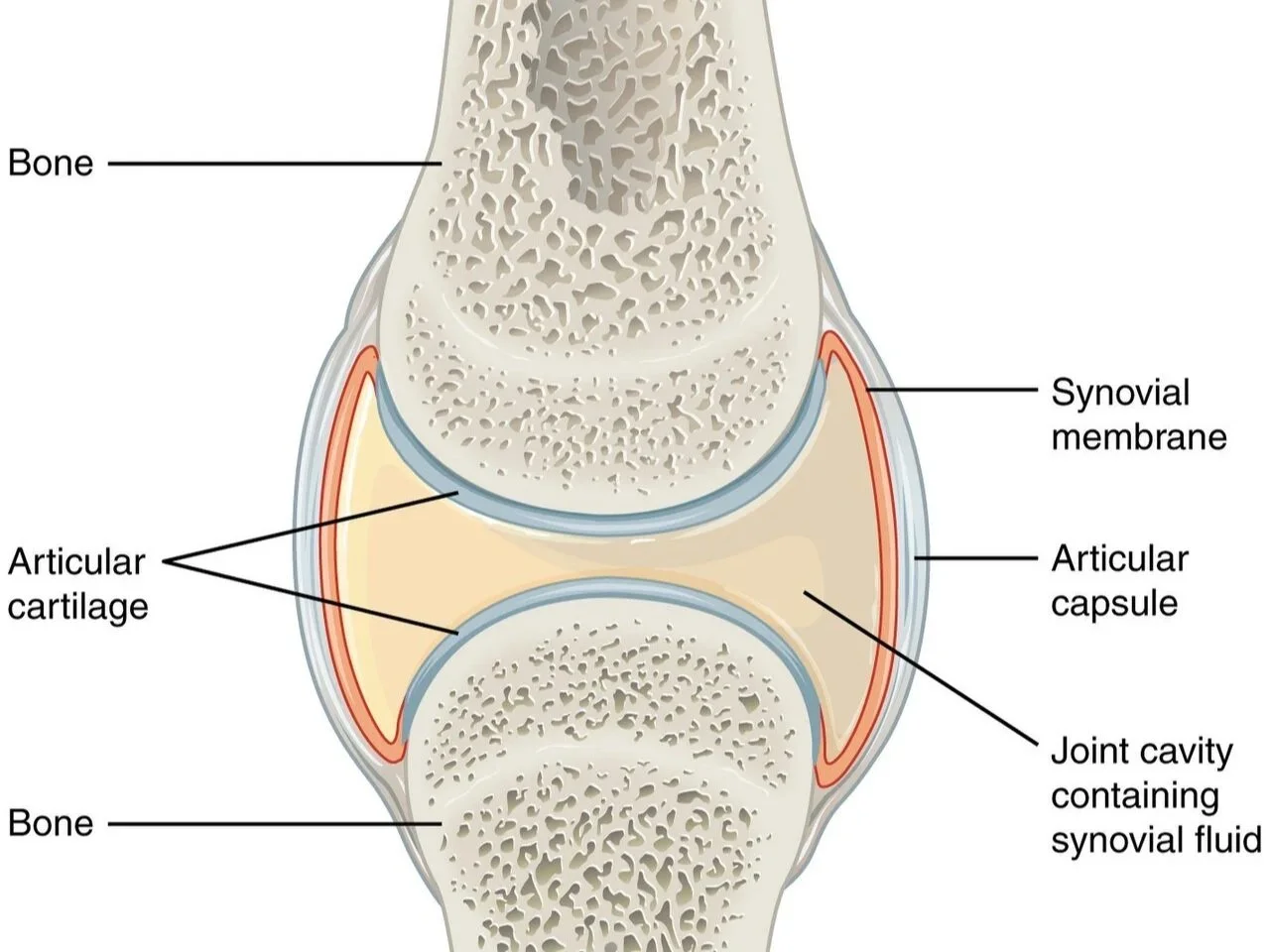
Knee Joint Anatomy
The Ayurvedic Treatment Approach
Ayurveda does not rely on one single therapy. Instead, treatment is individualized according to:
Constitution (Prakriti)
Current imbalance (Vikriti)
Digestive strength
Age
Lifestyle
Disease stage
Tissue involvement
Ayurvedic Treatments generally assist in:
Reducing inflammation
Eliminating Ama
Pacifying aggravated doshas
Improving circulation
Nourishing bones and connective tissues
Strengthening muscles
Preventing recurrence
One of Ayurveda's greatest strengths is its specialized therapeutic procedures.
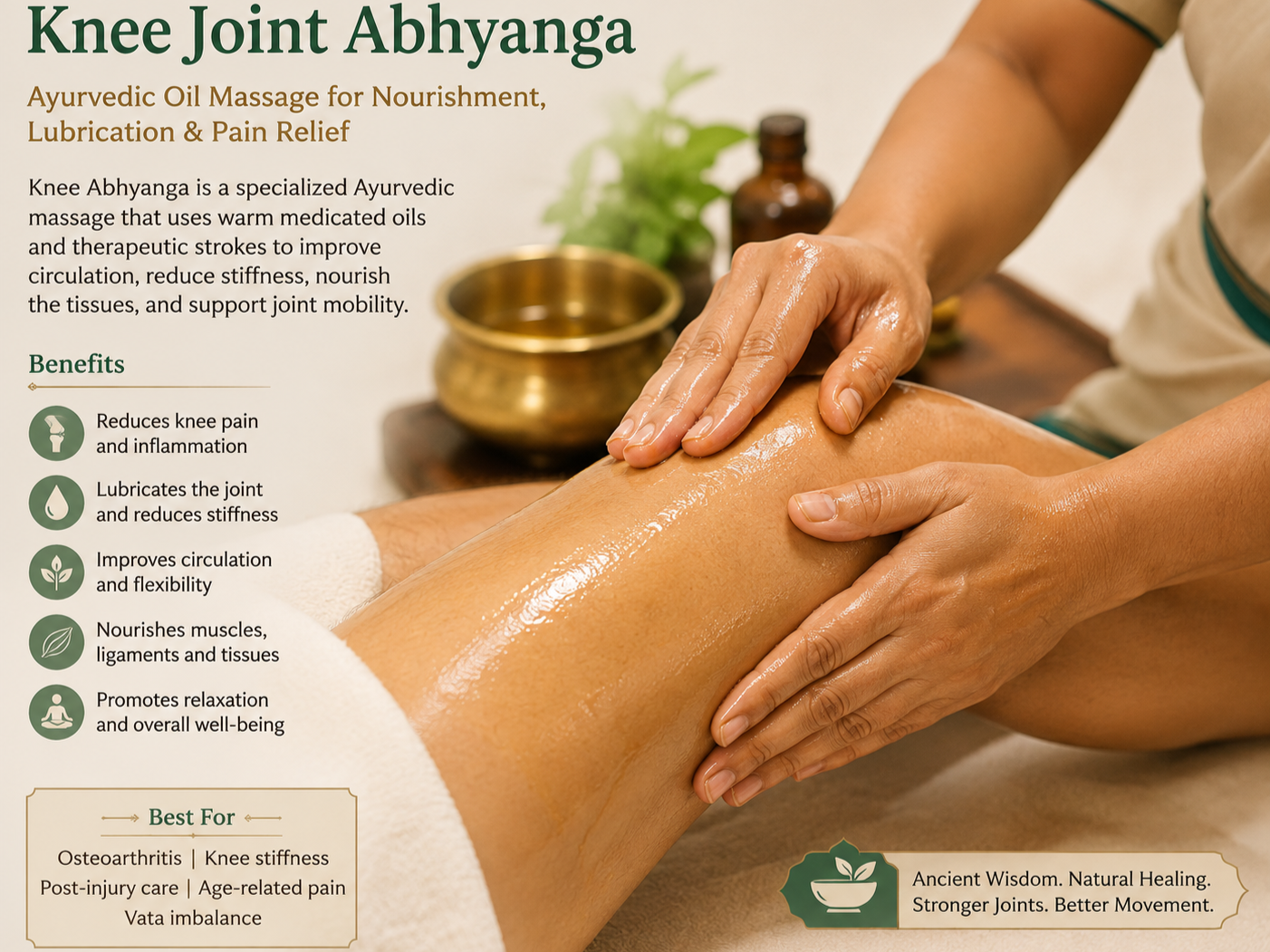
1. Abhyanga (Ayurvedic Oil Massage)
Abhyanga is one of Ayurveda's most widely practiced rejuvenating therapies.
Warm herbal oils are massaged rhythmically over the body using specific strokes designed to improve circulation, relax muscles, lubricate joints, and calm the nervous system.
Benefits for Joint Health
Reduces stiffness
Improves mobility
Lubricates joints
Enhances circulation
Relieves muscle tension
Nourishes connective tissues
Reduces Vata
2. Kati Basti
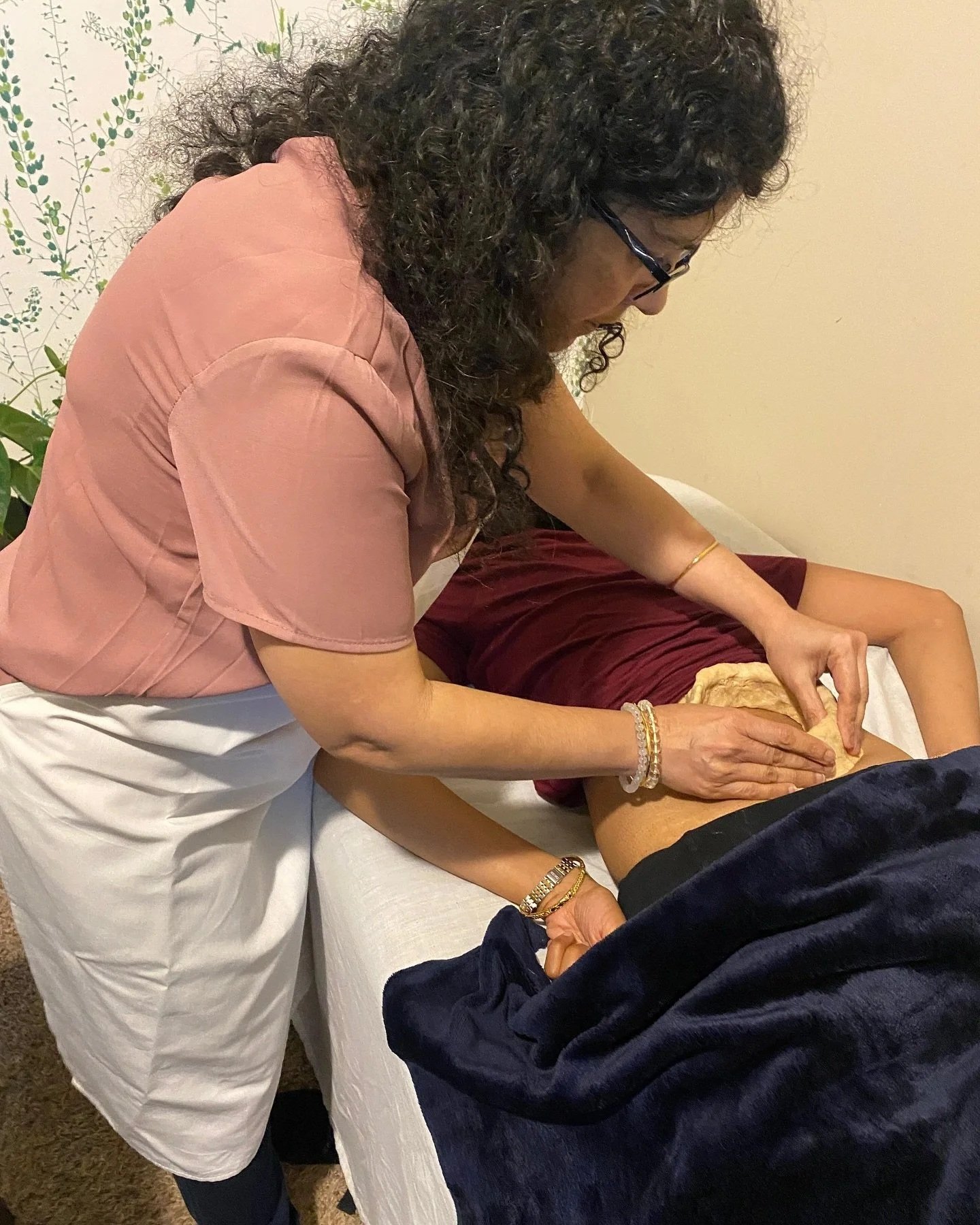
Kati Basti is a localized oil-retention therapy commonly used for lower back pain.
A ring made of dough is placed over the lower back and filled with warm medicated oil, allowing the herbs to penetrate deeply into tissues.
Indications
Lumbar arthritis
Sciatica
Chronic low back pain
Disc degeneration
Muscle spasms
Sacroiliac discomfort
Benefits include:
Deep nourishment
Reduced pain
Improved flexibility
Muscle relaxation
Better spinal mobility
3. Janu Basti
Janu Basti follows the same principle as Kati Basti but focuses on the knees.
Warm herbal oil is retained over the knee joint for an extended period.
Benefits
Lubricates knee joints
Reduces stiffness
Supports cartilage nourishment
Improves flexibility
Reduces pain during walking
Helps in early osteoarthritis
Many patients report improved comfort after a series of treatments.
4. Greeva Basti
This localized therapy is designed for the cervical spine.
It is often recommended for:
Neck pain
Cervical spondylosis
Computer-related stiffness
Muscle tension
Reduced neck mobility
Warm medicated oils help relax muscles while nourishing deeper tissues surrounding the cervical vertebrae.
5. Navarakizhi (Shashtika Shali Pinda Sweda)
This nourishing therapy uses special medicinal rice cooked in herbal decoctions and milk.
The warm rice boluses are gently massaged over the body.
Especially helpful for:
Muscle wasting
Weakness
Degenerative arthritis
Neurological conditions
Recovery after illness
Unlike therapies that primarily reduce inflammation, Navarakizhi actively nourishes
6. Upanaha Sweda (Herbal Poultice Therapy)
A warm herbal paste is applied over painful joints and covered for several hours.
This localized treatment provides prolonged heat and herbal action.
Benefits include:
Reduction of chronic inflammation
Improved circulation
Pain relief
Reduced swelling
Increased flexibility
Conclusion
Ayurveda offers far more than temporary relief for joint pain. Its specialized therapies work together to reduce inflammation, improve circulation, restore mobility, nourish connective tissues, and promote long-term musculoskeletal health.
Whether through Abhyanga, Basti, localized oil therapies, herbal poultices, or Panchakarma, Ayurvedic care aims to restore balance and support the body's natural healing processes. Combined with individualized nutrition, movement, and lifestyle practices, these therapies can help people move more comfortably and maintain healthy joints throughout every stage of life.
If you're experiencing persistent joint pain, stiffness, or reduced mobility, consulting a qualified Ayurvedic practitioner can help determine the therapies most appropriate for your constitution and health goals. An individualized treatment plan can complement conventional care and support your journey toward healthier, more resilient joints.
